
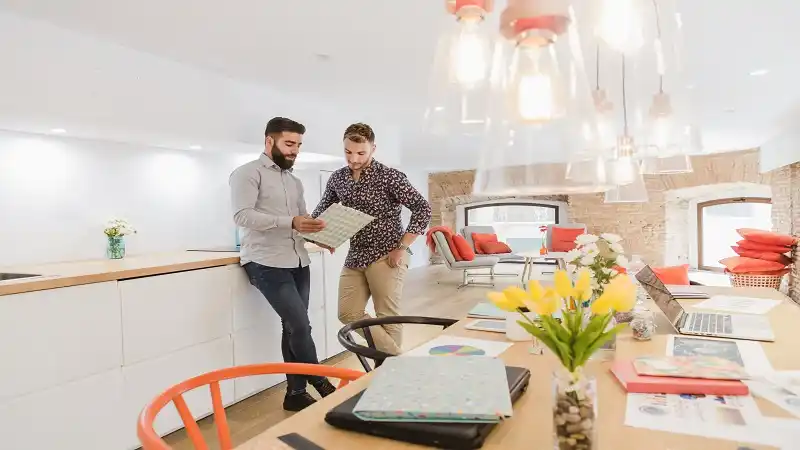
Decorating a home is not only about making a space look beautiful; it is about creating an environment that feels comfortable, functional, and personal. A well-decorated house can improve mood, increase productivity, and make everyday life more enjoyable. Whether you are moving into a new home or refreshing your current one, understanding basic decorating principles can help you make better choices with confidence. This article offers simple, practical guidance that anyone can follow, regardless of budget or experience. The ideas shared here focus on balance, comfort, and thoughtful design, inspired by decoration tips decoradhouse from decoratoradvice, which emphasize clarity and ease in home styling.
Understanding the Basics of Home Decoration
Before choosing furniture or colors, it is important to understand the basics of decoration. These fundamentals guide every good design decision.
Balance and Proportion
Balance refers to how visual weight is distributed in a room. Symmetrical balance uses matching elements on both sides, while asymmetrical balance uses different objects that still feel equal. Proportion ensures that furniture and décor items fit the size of the room. Oversized furniture can overwhelm a small space, while tiny pieces can feel lost in a large room.
Harmony and Flow
Harmony means that all elements in a space work together. This does not mean everything must match, but colors, textures, and styles should feel connected. Flow refers to how easily people can move through a room without obstacles.
Choosing the Right Color Palette
Color plays a major role in setting the mood of a room. Light colors often make spaces feel larger and calmer, while darker shades can add warmth and depth.
Start with Neutral Colors
Neutral tones like white, beige, gray, and soft earth shades are easy to work with. They create a clean base and allow flexibility when adding accents.
Add Accent Colors Thoughtfully
Accent colors bring life and personality to a space. Use them in cushions, rugs, artwork, or small décor items. Limiting accent colors to two or three helps maintain a cohesive look.
Furniture Selection and Placement
Furniture is the foundation of any room. Choosing the right pieces and placing them correctly can transform a space.
Focus on Function First
Always consider how the room will be used. A living room may need comfortable seating, while a home office requires practical storage and a supportive chair.
Arrange for Comfort and Conversation
Furniture should be arranged to encourage interaction and comfort. In living rooms, seating should face each other rather than the walls. Leave enough walking space to avoid a crowded feel.
Decorating Room by Room
Each room in a home serves a different purpose, so decoration should support its function.
Living Room
The living room is often the heart of the home. Use a comfortable sofa, supportive chairs, and a coffee table that suits the space. Rugs can help define seating areas, while cushions and throws add warmth.
Bedroom
Bedrooms should feel calm and relaxing. Soft colors, cozy bedding, and minimal clutter help create a restful environment. Bedside tables with gentle lighting add both function and style.
Kitchen and Dining Area
In kitchens, keep décor simple and practical. Open shelves can display attractive dishes, while dining areas benefit from comfortable chairs and good lighting. A simple centerpiece can add charm without clutter.
The Importance of Lighting
Lighting can completely change how a room looks and feels. Good lighting combines different sources to create balance.
Natural Light
Make the most of natural light by keeping windows clear and using light curtains. Mirrors can help reflect light and make spaces feel brighter.
Layered Lighting
Use a mix of overhead lights, floor lamps, and table lamps. Task lighting is useful for reading or cooking, while softer lighting creates a cozy atmosphere in the evening.
Using Textures and Materials
Texture adds depth and interest to a room, even when the color palette is simple.
Mix Different Materials
Combine wood, fabric, metal, and glass for a balanced look. For example, a wooden table paired with fabric chairs and metal accents creates visual variety.
Soft Textures for Comfort
Rugs, cushions, curtains, and blankets make a space feel inviting. Layering different textures prevents a room from feeling flat or cold.
Decorating on a Budget
Good decoration does not require a large budget. Thoughtful choices and creativity can make a big difference.
Repurpose and Refresh
Old furniture can be refreshed with paint, new handles, or updated fabric. Rearranging what you already own can also give a space a new look.
Focus on Key Pieces
Instead of decorating everything at once, focus on one or two key items that make the biggest impact, such as a statement rug or a comfortable sofa. This approach aligns well with decoration tips decoradhouse from decoratoradvice, which highlight smart, intentional updates.
Common Decorating Mistakes to Avoid
Understanding common mistakes can help you avoid frustration and unnecessary costs.
Overcrowding the Space
Too many furniture pieces or decorations can make a room feel cramped. Leave some empty space to allow the room to breathe.
Ignoring Scale
Always consider the size of items in relation to the room. Large artwork can look stunning on a big wall, while smaller pieces may need grouping to stand out.
Following Trends Blindly
Trends can be fun, but they change quickly. Choose elements you truly like and that fit your lifestyle. This ensures your home remains comfortable and timeless, reflecting the thoughtful approach of decoration tips decoradhouse from decoratoradvice.
Personalizing Your Space
A home should reflect the people who live in it. Personal touches make a space feel warm and unique.
Display Meaningful Items
Photos, travel souvenirs, and handmade items add character and tell your story. Display them in a way that feels organized rather than cluttered.
Add Greenery
Plants bring life and freshness to any room. They improve air quality and add a natural element that works with almost any style.
Creating a Long-Term Decorating Plan
Decoration does not have to be completed all at once. Taking a long-term approach allows for better decisions.
Plan Before You Buy
Measure spaces, create simple sketches, and think about how new items will fit with existing ones. This helps avoid impulse purchases.
Update Gradually
Small updates over time are often more manageable and enjoyable. This method reduces stress and keeps your home evolving naturally, much like the balanced philosophy behind decoration tips decoradhouse from decoratoradvice.
Conclusion
Decorating a home is a journey that combines creativity, practicality, and personal taste. By understanding basic principles, choosing the right colors and furniture, and focusing on comfort and function, anyone can create a welcoming space. Remember that decoration is not about perfection but about making a home feel right for you. Take your time, enjoy the process, and let your home grow with you. When guided by simple, thoughtful ideas such as those found in decoration tips decoradhouse from decoratoradvice, decorating becomes less overwhelming and more rewarding. See More